The Hidden Zen Temples of Kyoto: Spatial Whispers of Moss & Cedar
“Silence in a temple courtyard is not the absence of sound, but the deliberate arrangement of nature’s quietest accents.”
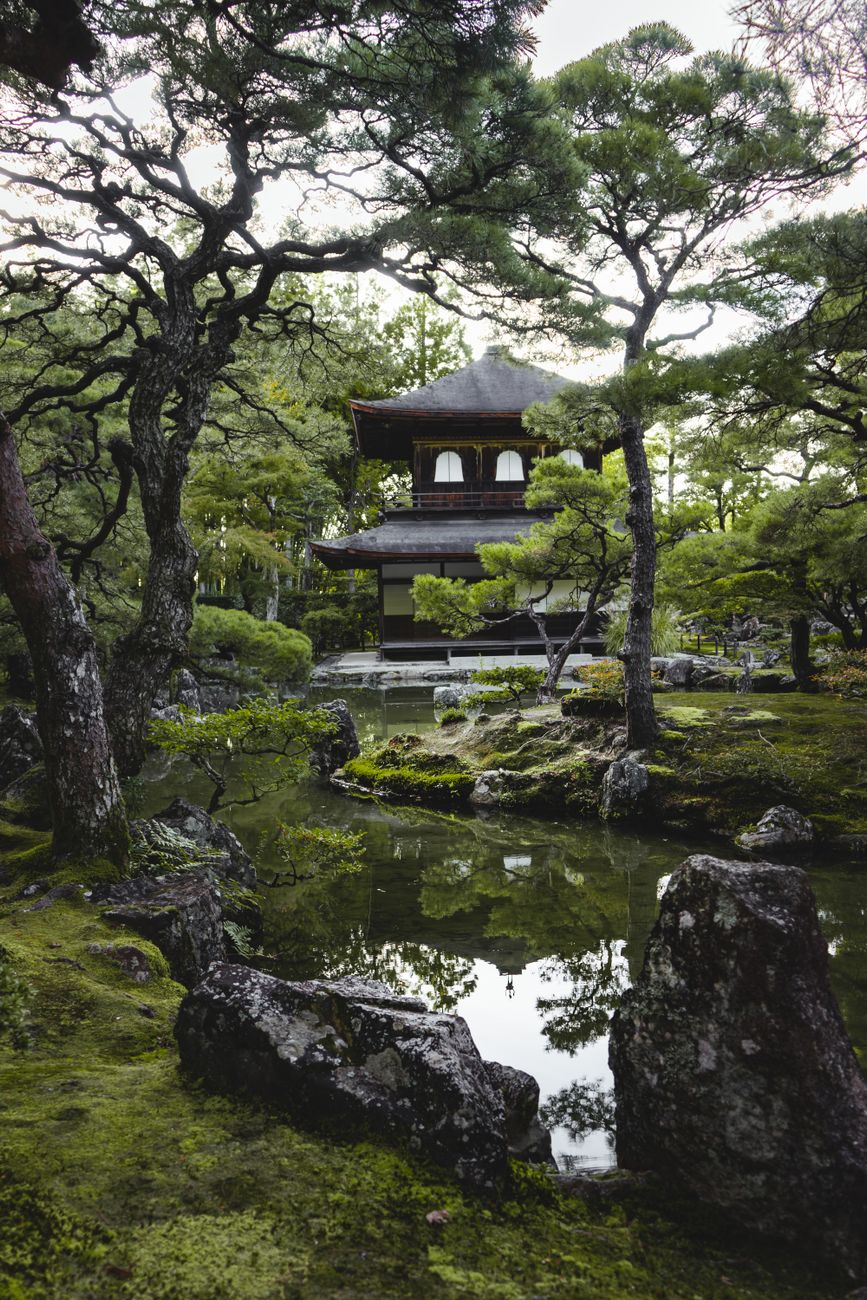
In the northern foothills of Kyoto, far removed from the selfie sticks that swarm Kinkaku-ji, mist hangs heavy over the cedar ridges of Takagamine. Here, stones are not placed to impress but to provoke stillness. The design philosophy of yugen—a profound grace and subtlety—permeates every damp wooden step.
The Geometry of Stillness
Entering the sub-temple of Genko-an, visitors sit before two distinct architectural openings: the round Window of Enlightenment (Satori-no-Mado) and the square Window of Delusion (Mayoi-no-Mado). The circular portal symbolizes the universe in its infinite perfection, while the square frame reminds us of mortal existence and the earthly conflicts that tether our minds.
Cultivating the Emerald Carpet
At Saiho-ji, commonly celebrated as the Moss Temple, more than 120 varieties of bryophytes blanket the garden floor. Tended by monks who sweep away fallen leaves with soft bamboo whisks, the grove creates an acoustic dampen that softens voices to hushed reveries. Travelers seeking entry must hand-copy sutras before wandering the grounds—an intentional hurdle to clear mental clutter.
- Recommended Arrival: Dawn prayers at 6:30 AM during early autumn.
- Etiquette: Clean socks are mandatory on tatami mats; footwear is removed at the genkan.
- Contemplative Spot: The bamboo walkway bordering the rear precinct of Shoden-ji.
As light filters through Japanese maples, you realize that Kyoto’s most enduring luxury is not ornate gold leaf, but the patience with which a culture has preserved space for human reflection across seven centuries.

Julian Croft
Architecture Critic & Contributing Editor at 111111
Plan a Journey to Kansai’s Sanctuaries
Our advisors collaborate with certified heritage fixers in Kyoto to secure private monastery access.
Consult Our Team